
Discussions
Wordle and the New York Times: A Brief Exploration
Wordle Nyt, the simple daily word-guessing game that took the internet by storm in late 2021 and early 2022, became part of the New York Times (NYT) family in January 2022. Despite its minimalistic interface and straightforward rules, Wordle sparked conversations about game design, community, monetization, and cultural impact. This article examines Wordle’s appeal, the NYT acquisition, controversies and benefits, and broader implications for digital games and media companies.
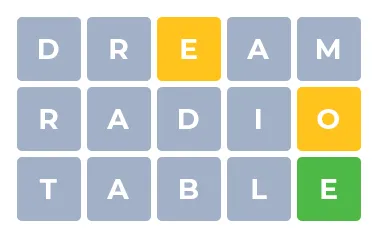
What makes Wordle work?
Simple rules: Guess a five-letter word in six tries. Colored feedback (green, yellow, gray) tells you letter correctness and placement.
Low friction: No account required (initially), fast gameplay, pleasing visual feedback, and one puzzle per day create anticipation without addiction.
Social sharing: A clever share format — emoji squares showing results without spoiling the answer — encouraged viral sharing and discussion while preserving game experience.
Accessibility: Familiar mechanics for casual players, yet enough challenge to be satisfying.
Why the NYT bought Wordle
NYT Games acquired Wordle in January 2022. Motivations included:
Audience growth: Wordle attracted millions of daily players, many outside the Times’ traditional readership.
Cross-promotion: Integrating Wordle into NYT Games (with Spelling Bee, Crossword, etc.) boosted visibility for subscription-led gaming.
Brand and editorial alignment: The puzzle’s literary and lexical nature fit the Times’ content ecosystem.
Reports indicated the purchase price was in the low seven figures — modest for its reach but appropriate given the creator’s original intent: keep it ad-free and simple.
Criticisms and controversies
Paywall concerns: Players worried NYT would restrict Wordle behind a paywall; the Times kept the original Wordle free but later launched Wordle+ as a paid premium.
Data/privacy: As games aggregate more players under large media companies, concerns arise about data collection and usage.
Commercialization: Some fans felt acquisition and integration into a corporate product diluted the grassroots charm.
Copycats: The game’s success led to countless clones and themed variants (Heardle, Dordle, Quordle, Lewdle), raising questions about IP, originality, and platform moderation (app stores removing copycats).
Benefits under NYT stewardship
Stability and continuity: The NYT committed to maintaining the game and its daily rhythm, ensuring longevity.
Product enhancements: Optional features and subscription tiers give power users more options without disrupting the original experience.
Funding for puzzles: Revenue from NYT subscriptions supports editorial teams and other puzzle development.