
Discussions
Wordle (NYT): Origins, Appeal, Strategies, and Criticisms
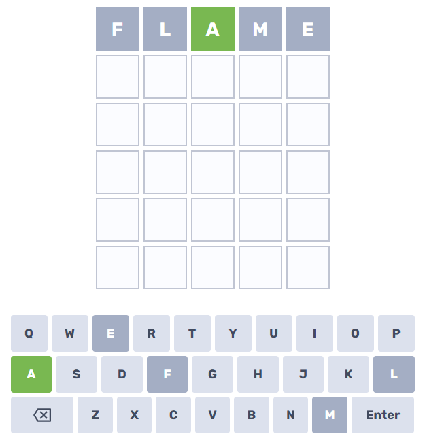
Wordle Nyt, acquired by The New York Times (NYT) in January 2022, is a minimalist daily word puzzle that has become a global cultural phenomenon. Players have six attempts to guess a five-letter target word, receiving color-coded feedback after each guess: green for correct letters in the correct position, yellow for correct letters in the wrong position, and gray for letters not in the word. Its simplicity, social-shareability, and one-puzzle-per-day structure drove rapid viral growth and high engagement.
Why Wordle Works
Simplicity and accessibility: Easy rules require no tutorial; the daily cadence reduces time commitment and builds habit.
Shared experience: Everyone plays the same puzzle each day, fostering conversation and social sharing.
Limited attempts: Six guesses provide tension and strategy without overwhelming complexity.
Visual sharing: The emoji-grid share feature allows non-spoiler bragging and comparison, fueling virality.
NYT Acquisition and Changes
When NYT bought Wordle, it preserved the core gameplay but integrated it into the NYT Games ecosystem. NYT made subtle changes to word list curation and player safeguards to avoid spoilers and ensure longevity. Some longtime players noted differences in accepted guesses and puzzle sequence, since the NYT’s maintenance included expanding or filtering the word list.
Strategies and Tips
Start with a strong opener: Use a word with common vowels and frequent consonants (e.g., "ARISE," "ROATE," "SLATE").
Balance vowel and consonant coverage early to identify the vowel pattern.
Use letter-frequency logic: After initial feedback, prioritize letters that occur often in English (R, S, T, L, N).
Avoid repeated letters early unless feedback suggests duplication.
Keep a mental shortlist: From the revealed pattern, think of small sets of possible fits rather than random guessing.
Learn patterns: Common suffixes (–ER, –ED, –LY) and prefixes can help once letters are known.
Concede gracefully: Some puzzles use obscure words; enjoy the challenge rather than fixating on streaks.
Cultural Impact
Wordle influenced language play and online communities. It inspired themed variants (Worldle, Dordle, Quordle), spinoffs with different rules, and educational uses in classrooms to teach vocabulary and logic. Its success demonstrated demand for low-friction, repeatable daily puzzles in a distracted digital environment.
Criticisms and Concerns
Obscure words: Some solutions are rare or archaic, frustrating casual players.
Monotony for power users: Single daily puzzle can feel limiting to players who prefer variety or multiple challenges.
Share culture drawbacks: Spoilers occasionally spread despite safeguards, and the viral metric encouraged comparisons.